Construction Innovation Challenge 26–27
Assemble a team. Take on a real jobsite problem. Compete for $250K in prizes and funding, plus a chance to join Suffolk’s BOOST program.
- In prizes and funding
- $250K
- Funded finalist teams
- 8
- To build a prototype
- 11 weeks
- Demo Day · 2027
- April 23
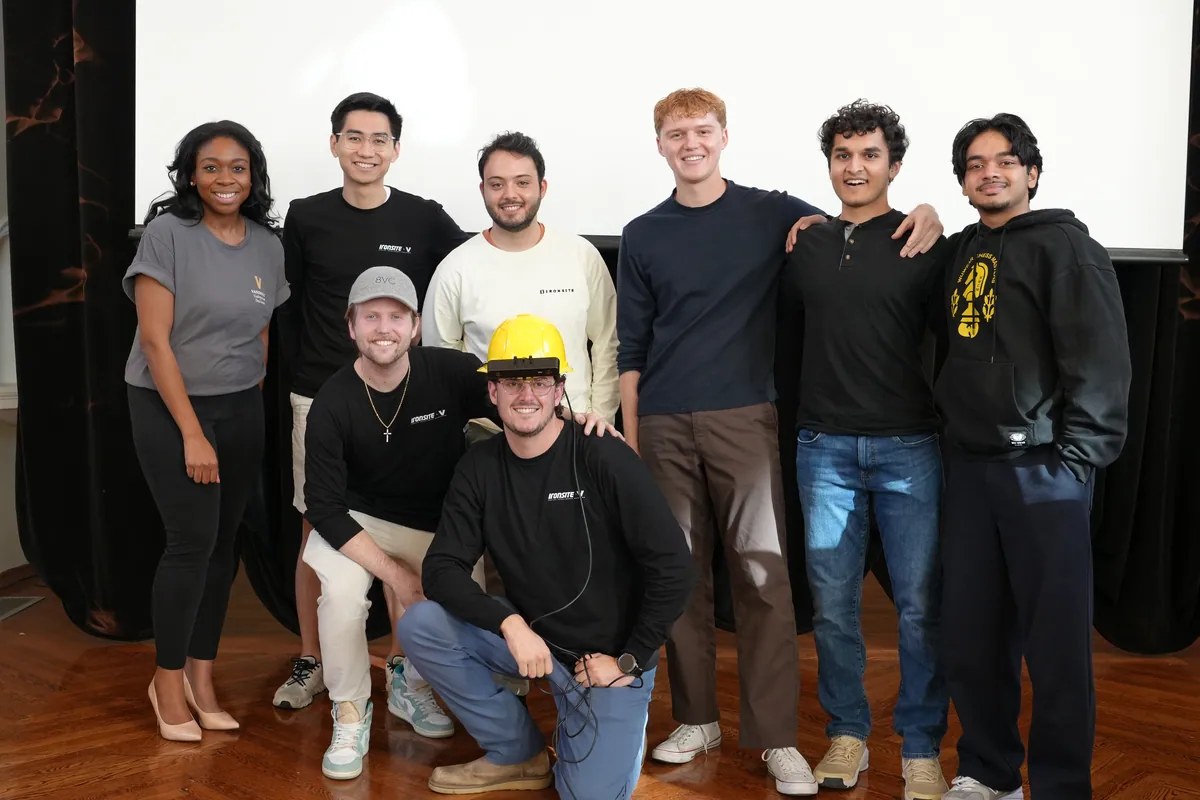
Ironsite is a rugged wearables and AI company that turns every construction shift into intelligence. Crews wear lightweight cameras, built into hard hats or worn on the chest, and overnight our models and construction experts turn the footage into a production report superintendents can act on the next morning: where time was lost, what’s putting the schedule at risk, and what to fix. Crews using Ironsite have doubled their time on tools in under 90 days. Worker trust comes first: no audio is recorded, raw video is never shared with employers, and data is reported at the crew level. Built by builders, for builders.
Suffolk Technologies is a venture capital platform affiliated with Suffolk, one of America’s leading builders, that funds the next generation of companies solving built environment challenges. Through its BOOST program, it puts the industry’s boldest startups to work on real jobsites, and BOOST alumni have raised more than $730 million.
Why we’re doing this
Suffolk and Ironsite hold a shared belief that for too long, construction technology has been built for the office: the suits, not the boots. The people doing the hardest, most skilled work on the jobsite have been the last to get better tools. We think that’s backward. There’s never been a better time to change it. AI and hardware can finally keep up with how complex and fast-moving a jobsite really is, and the next generation of builders and engineers can show what’s possible when you build for the people doing the work.
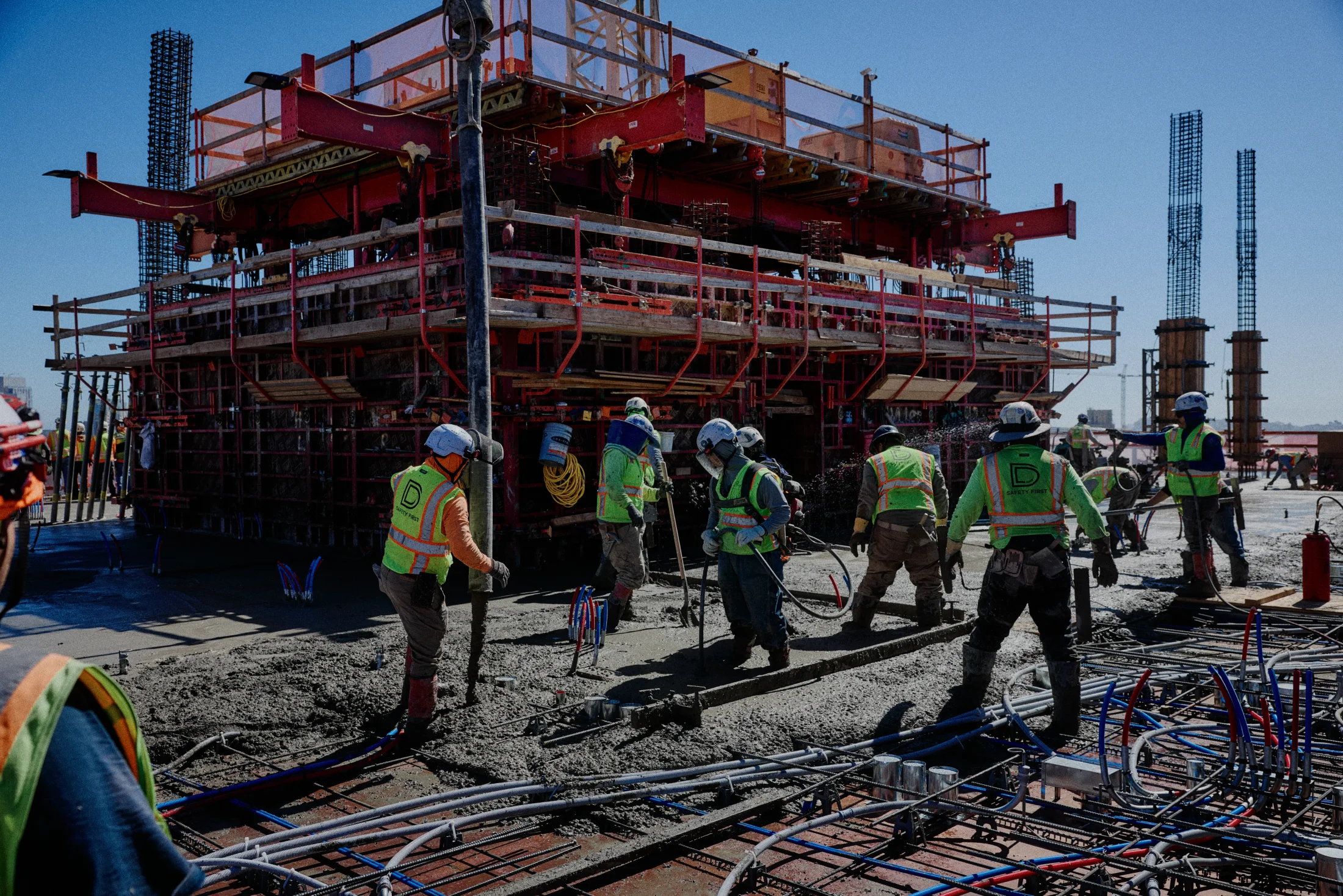
The challenge
Construction is one of the least digitized industries in the world, and one of the most dangerous. The Construction Innovation Challenge, started by Ironsite and presented with Suffolk Technologies, asks student teams from across the country to change that.
Teams of four to five take on a real jobsite problem and build a product that solves it, with hardware and software that work as one. The best teams are cross-disciplinary: engineers, computer scientists, designers, and construction management students who bring different ways of seeing the same problem. Apply on your own, and we’ll help you find a team, or bring one with you.
The goal is a real product, something crews will actually use, that someone will pay for, and that could become a company.
Areas of Focus
Safety
Prevent the falls, strikes, and exposures that hurt crews on active sites.
For example: detecting when someone is near an unprotected edge.
Productivity
Get more work in place, with less waiting, searching, and rework.
For example: getting material to the crew before they run out.
Equipment connectivity
Know where every tool and machine is, and how it’s running.
For example: finding the one lift that’s free right now.
Automation
Take on the repetitive, dangerous, and error-prone work.
For example: layout, material handling, or overnight cleanup.
$250,000 in prizes and funding
Plus the people, access, and ownership to turn a prototype into a company. Build alongside the Ironsite team, then demo your product to leading VCs, industry leaders, and top construction companies.
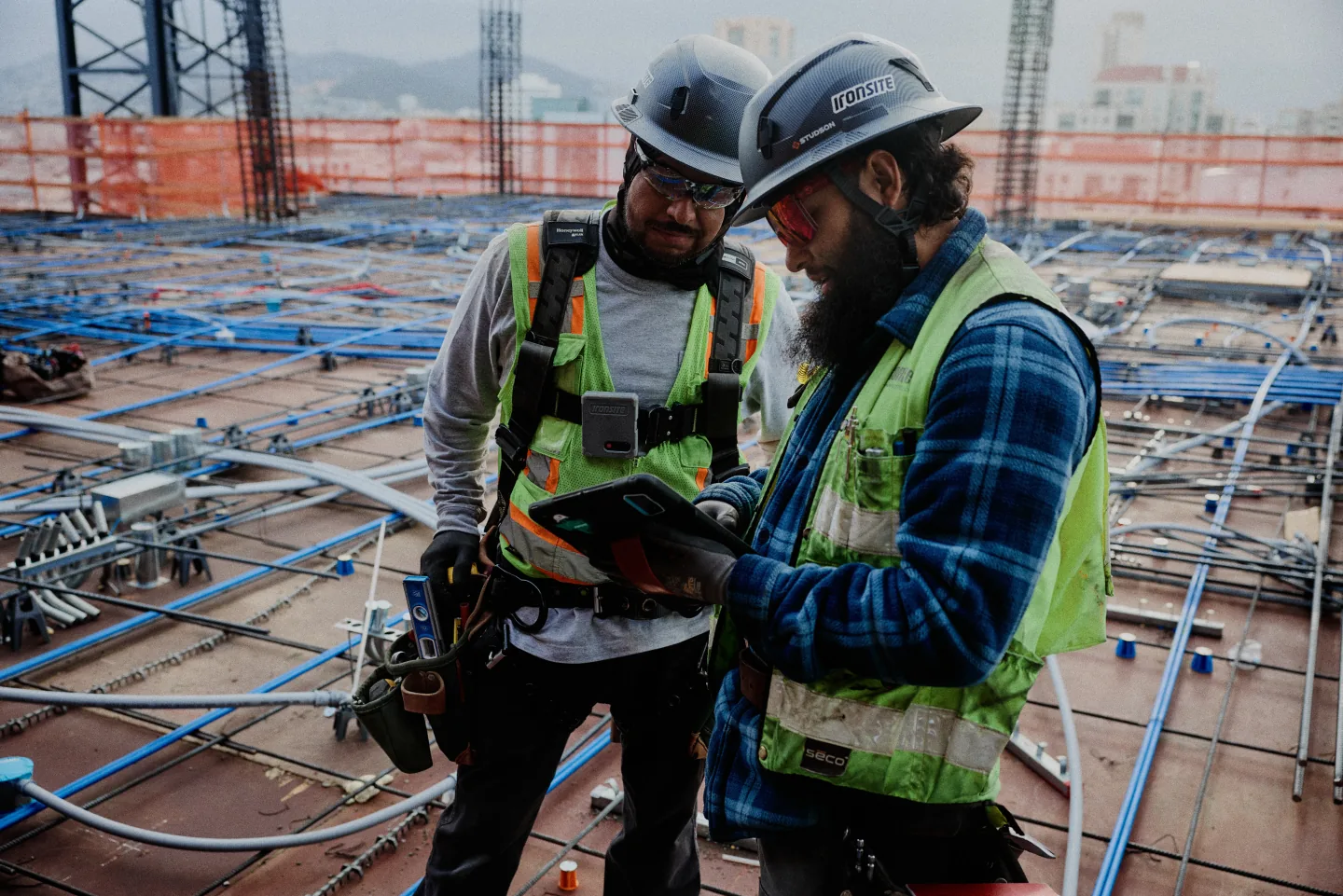
Build grant$5,000
Each of the eight funded teams gets a $5,000 grant for parts, tools, software, and field travel. Need more? Make the case in writing.
- First place
- $150Kand a spot in Suffolk Technologies' BOOST program
- Second place
- $20K
- Third place
- $10K
- Best Hardware
- $10K
- Best Software
- $10K
- Superintendent’s Choice
- $10K
The road to Demo Day
Applications
Nov 10 – Dec 25, 2026Apply as a team or on your own. Pick a real jobsite problem and propose a product where hardware and software work together. Naming a faculty advisor earns a priority review.
Information sessions
Nov 19, Dec 9, and Dec 16, 2026Live Q&A with the Ironsite team about the program and the application.
Define the problem
Jan 4–24, 2027The top 16 teams are announced and kick off on January 4. Meet superintendents and foremen, interview at least five people who live with the problem, and turn what you learn into a product requirements document, due January 24.
Build and test
Feb 1 – Apr 18, 2027The top 8 teams are announced on February 1. Each gets $5,000 and 11 weeks to build a working product, supported by Ironsite engineers and mentors from leading builders.
Technical review
Apr 19–20, 2027In a virtual review, Ironsite engineers confirm that each product runs live, end to end, as a single hardware-and-software system. Only teams that pass can finish in the top three.
Demo Day
Apr 23, 2027 · BostonThe eight funded teams fly to Boston, with travel and lodging covered, to demo their working products for construction leaders and a seven-judge panel. Judging comes down to three questions: Does it work? Would crews use it? Would someone pay for it?
Year one at Cal Poly SLO
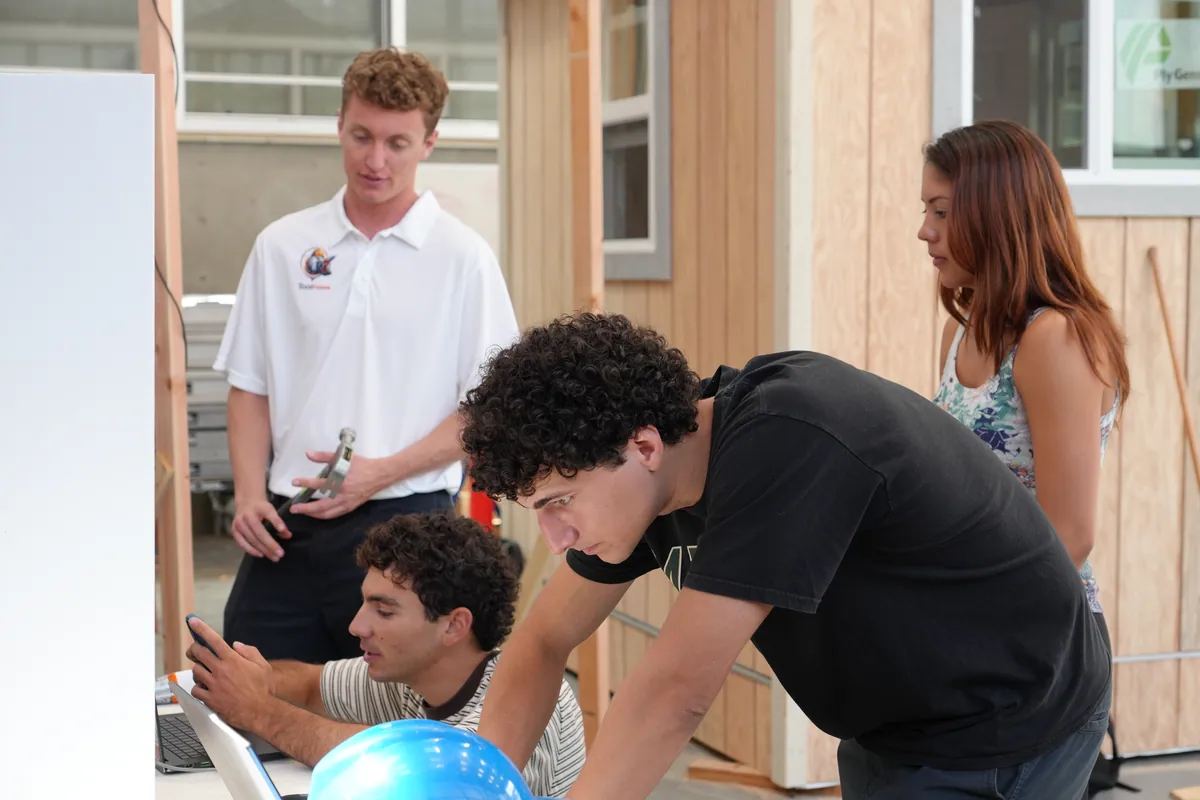
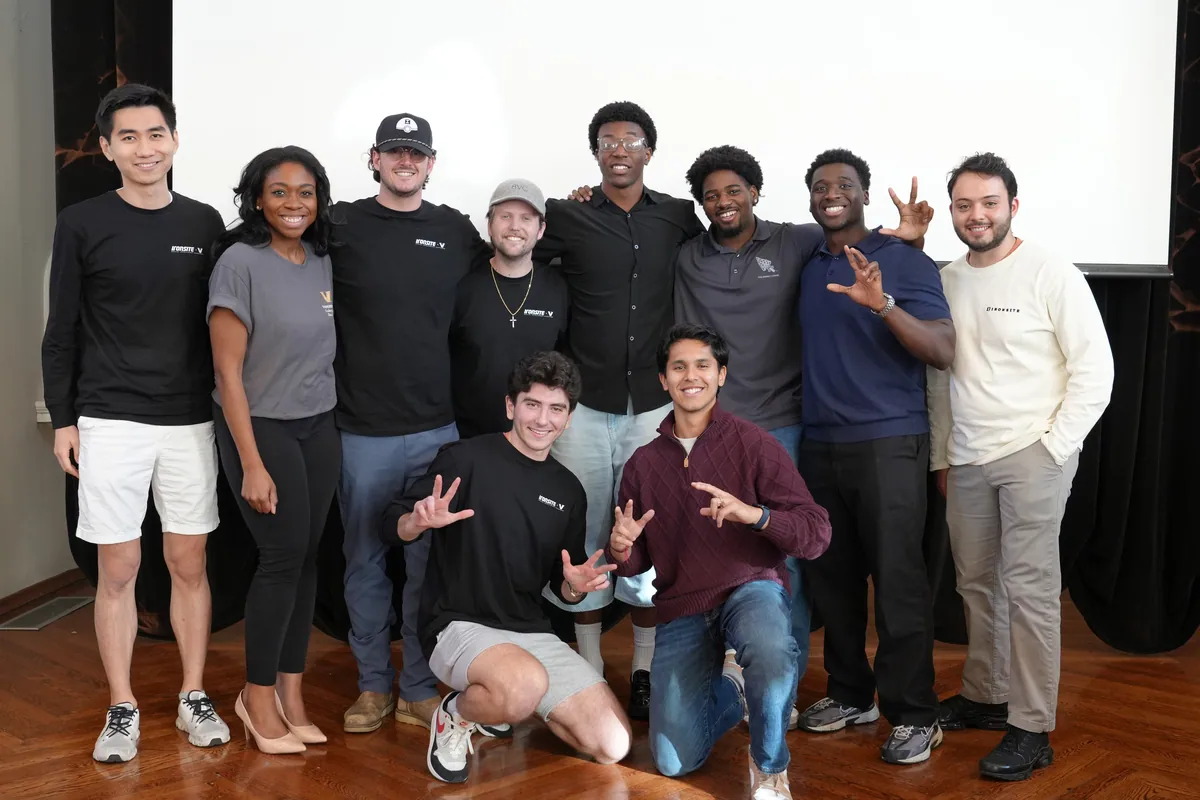
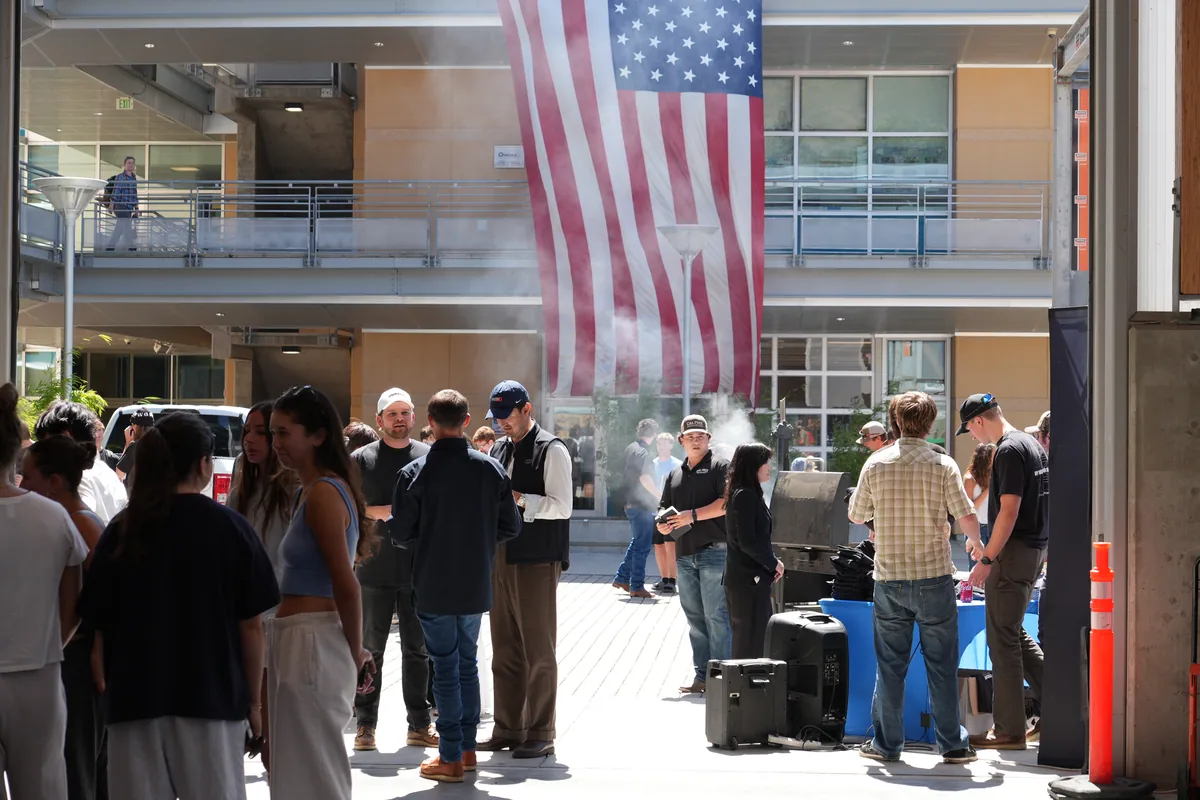
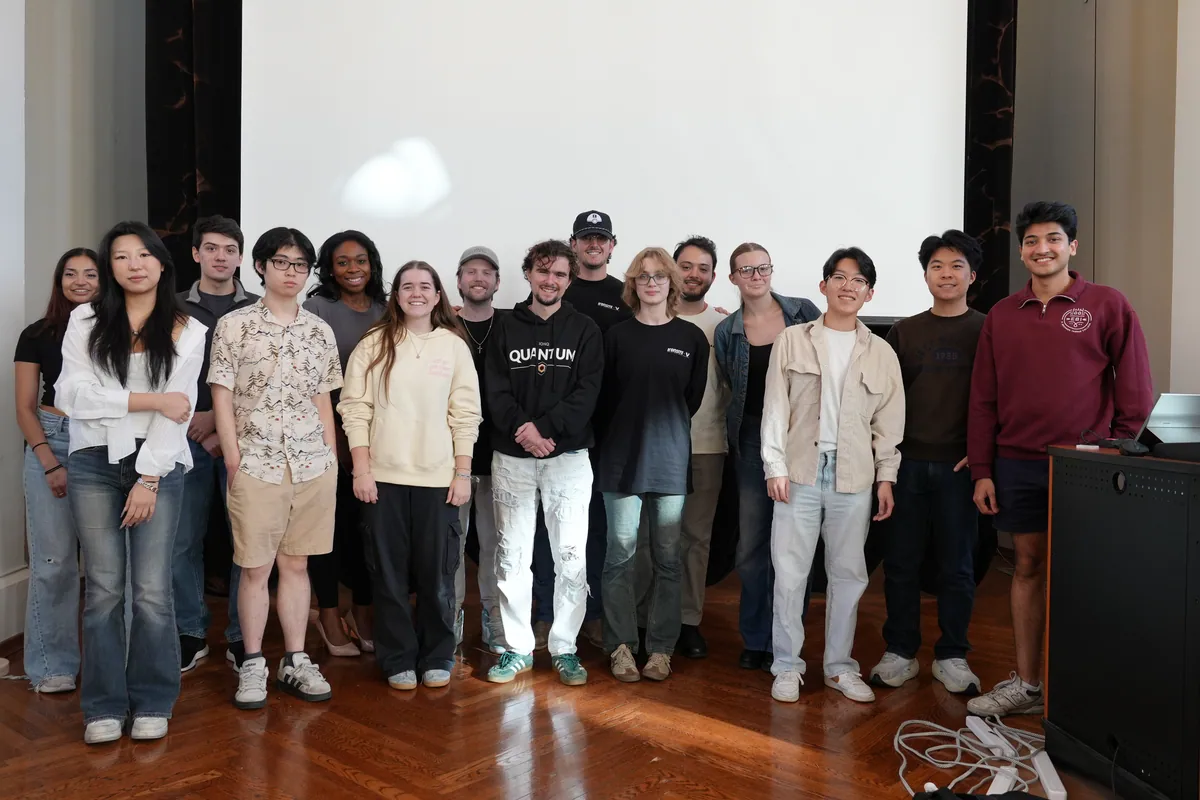
In October 2025, more than 100 Cal Poly students took on real construction problems. The challenge culminated in a May 2026 Pitch Day with more than 200 attendees. Winners included automated concrete pour tracking tested on a live jobsite, an AR system that clips into a hard hat, and a smart hard hat that monitors heat stress.
Now it goes national. More universities, more students, more jobsite problems worth solving.
Read on LinkedIn- Student applicants
- 100+
- Teams on stage
- 5
- Pitch Day attendees
- 200+
- Prize pool
- $50K
Judged by




TracPour
First Placewon $25,000Automated concrete pour tracking, aimed at an estimated $1.6B in annual concrete waste. The team mounted a sensor on a pump hopper, tested it during a live pour on an active jobsite, and showed the crew in an app how the poured volume compared with the estimate.
CIC showed me what’s possible when talented people from different backgrounds tackle a real problem for the people in the field. We had the freedom to build, and we learned to pivot when business realities hit. I’d recommend it to any student who wants to make a real impact.
Tyler StumpTeam CaptainEngenius
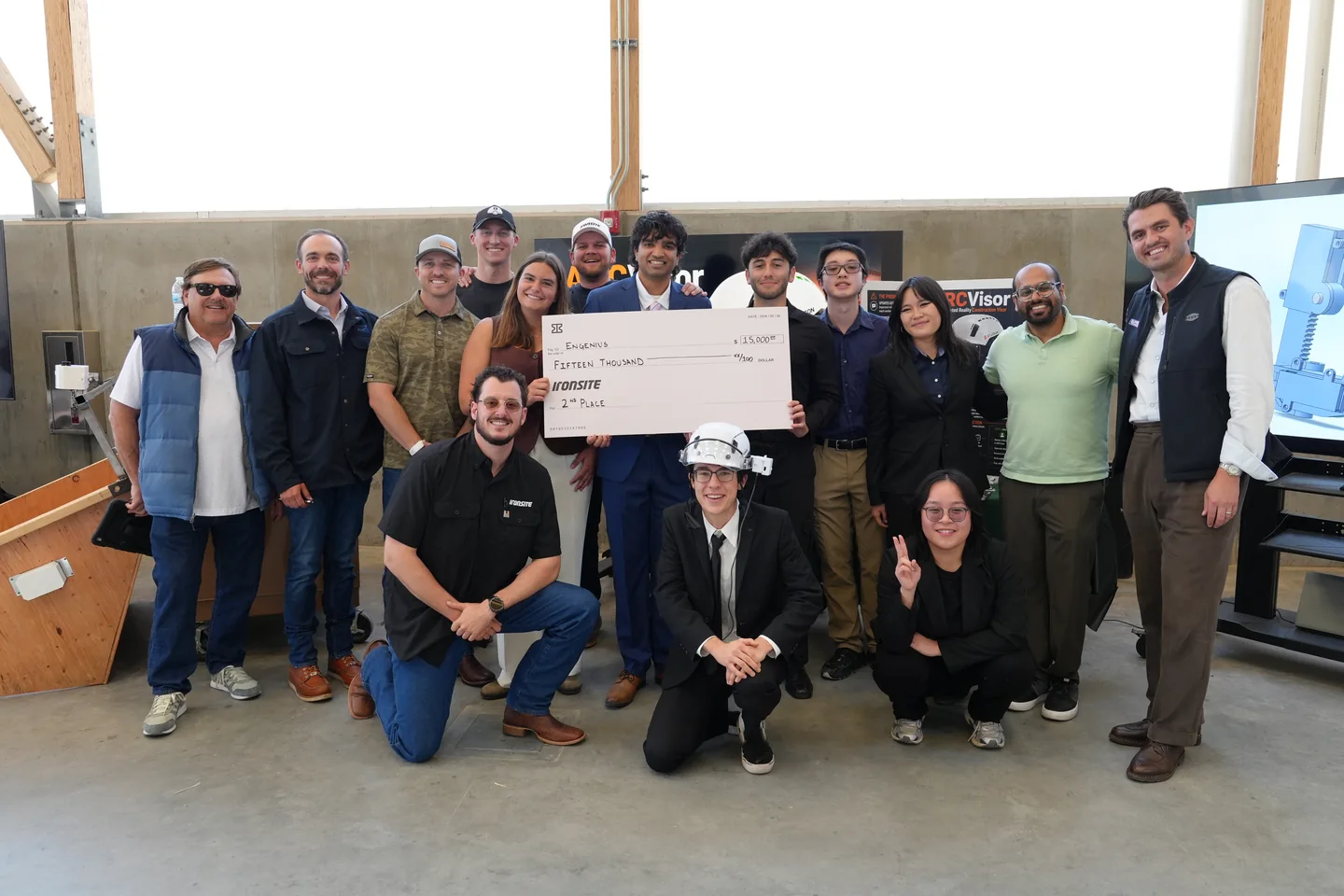
Second Placewon $15,000A modular AR visor that clips onto an existing hard hat, delivering real-time notifications, task updates, and live translation without a phone. The team wore its working prototype on Pitch Day.
During the 6-month challenge, I learned more about team management, leadership, and actual engineering than I could have learned in 4 years of classes alone. To say this challenge changed my life would be an understatement. Through this challenge, Ironsite is helping shape America’s future innovators.
Lukas Mario Watts-DippoldTeam CaptainSafeBase.AI
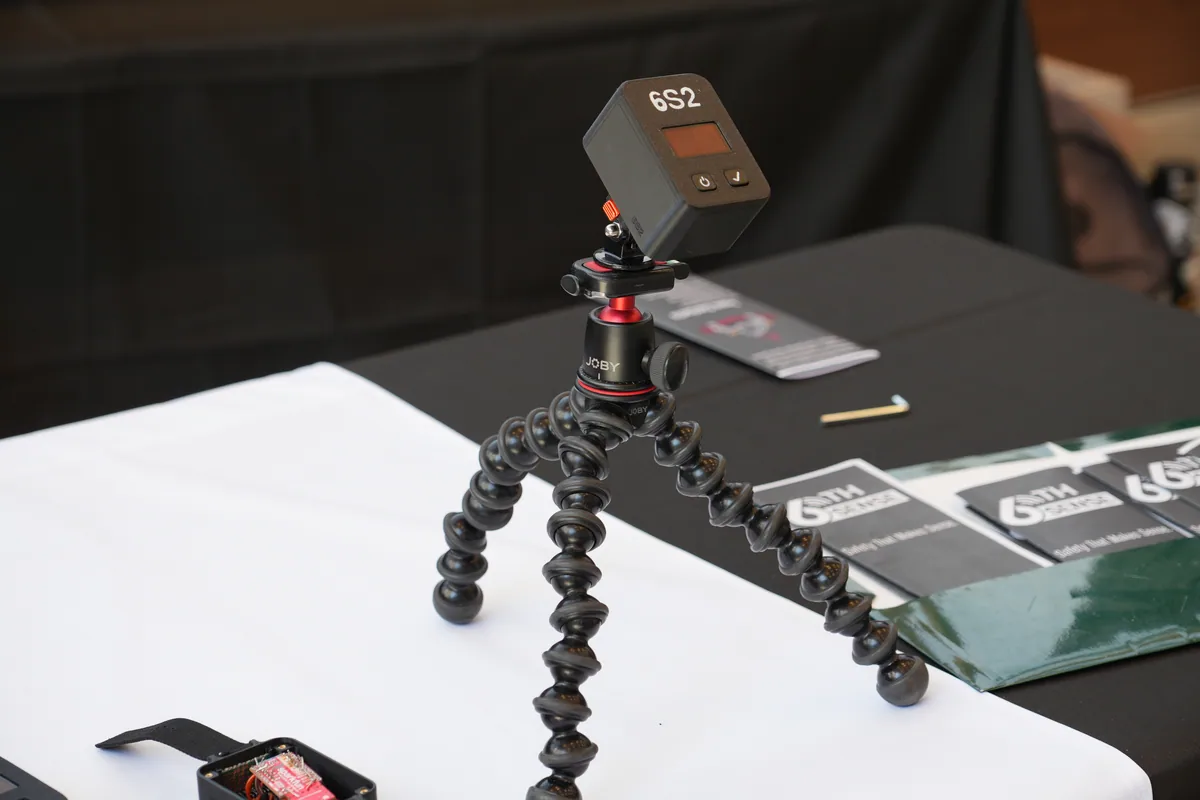
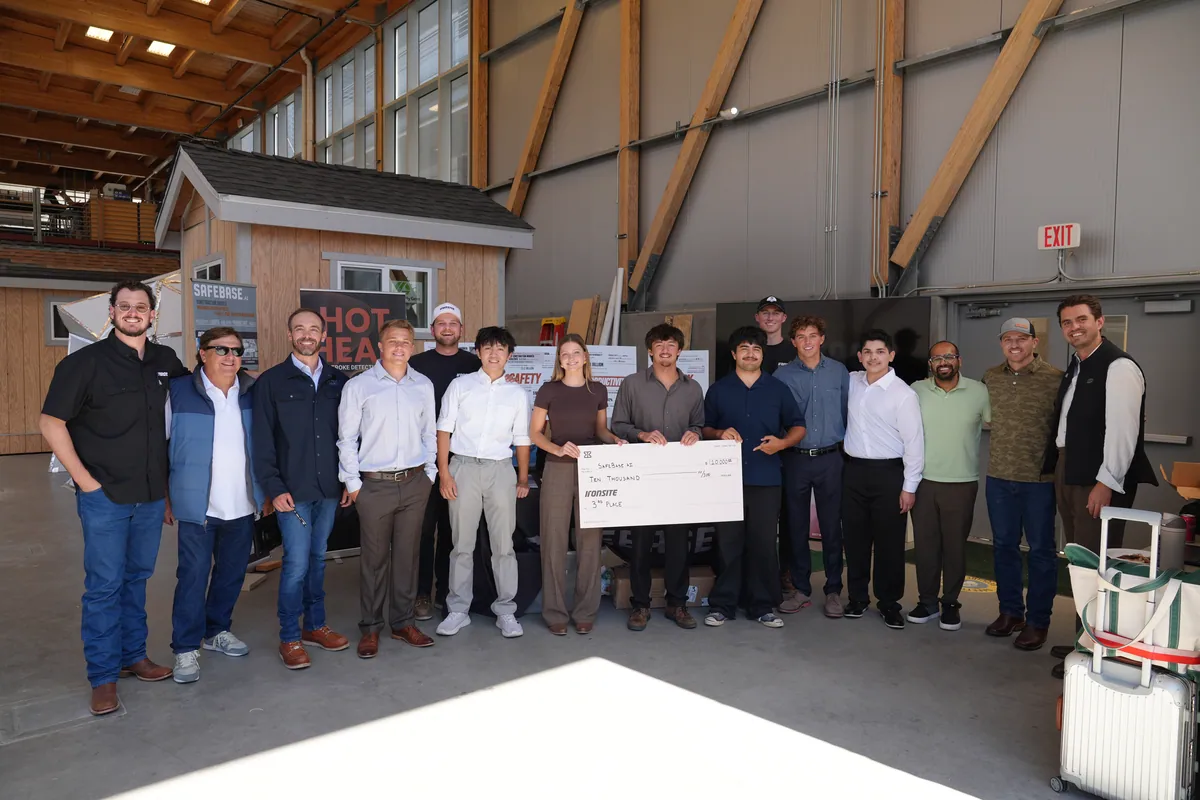
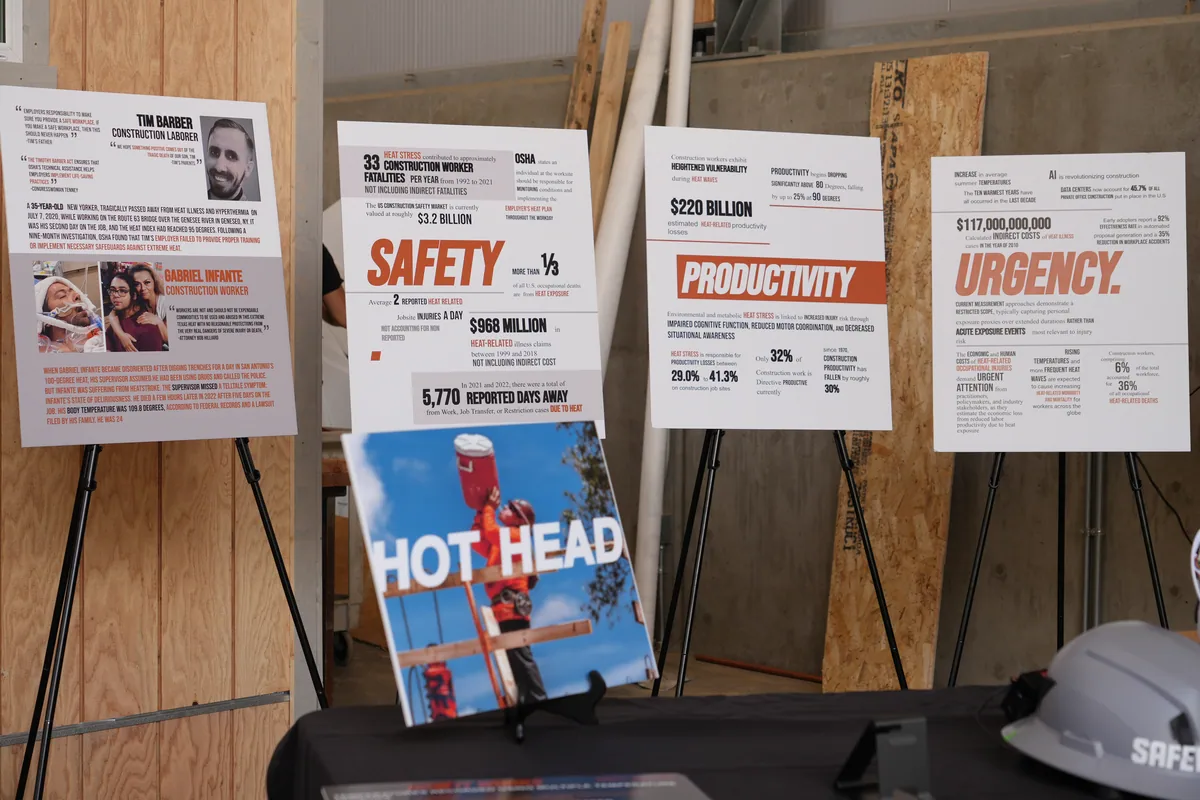
Third Placewon $10,000A smart-hard-hat attachment for heat exposure. It tracks the worker’s temperature against the air temperature and can alert a supervisor when a worker shows signs of heat stress.
I’ve always believed the construction industry has so much room for innovation, but I never knew how I could break into the world of construction entrepreneurship. This competition changed that. Along the way, I was able to learn from and build meaningful relationships with some of the most talented individuals in the industry.
Drew ShanleyTeam Captain
Previous hackathons
- Builders at Maryland
- 170+
- Builders at Vanderbilt
- 75+
Frequently Asked Questions.
Who can apply?
Undergraduate and graduate students at accredited US universities, in any major. Teams have four to five members from the same school.
Can I apply individually?
Yes. Submit the individual application, and we’ll try to match you with other applicants from your school to form a team.
Can we bring an existing project or startup?
Yes. You’ll still need a team, and you’ll go through every stage: the application, the product requirements document, the technical review and Demo Day. Prior work is welcome, but it doesn’t let you skip a step.
How much time does it take?
Plan on about 5–10 hours per person each week during the build phase, more in the final weeks before Demo Day.
Who owns what we build?
You do. Your team keeps its IP. If the first-place team joins BOOST, Suffolk Technologies’ $150,000 investment is made in exchange for equity, on terms shared before you accept.
Do we need to use Ironsite products or data?
No. Build with whatever fits the problem. Involvement in other Ironsite programs has no bearing on selection or judging.
What support will we receive?
The top 16 teams get a Slack channel with Ironsite engineers, a named Ironsite contact, and introductions to superintendents for field interviews. Funded teams also get a monthly mentor from a leading builder, starting in February, and teams with a faculty advisor get weekly check-ins.
What goes into the product requirements document?
About 10 pages, plus an appendix of interview notes. It covers findings from at least five field interviews, requirements and success measures, your hardware and software architecture, key risks and how you’ll test them, a schedule with an owner for every part, and a bill of materials within $5,000.
How do build funds work?
Each funded team gets a spending card for approved build expenses. You keep anything you build, and unused funds return to the program.
How is Demo Day judged?
A seven-judge panel asks three questions: Does it work? Would crews use it? Would someone pay for it? Only teams that pass the technical review can finish in the top three.